The why behind the work.
Three problems that got me out of bed, how I thought about them, how I solved them, and what actually happened.
Most people pick a financial advisor the same way they pick a restaurant.
Justin Forster watched his family struggle to find someone they trusted with their money. So he built BlackCase, a platform that matches people with advisors the way dating apps match people with people.
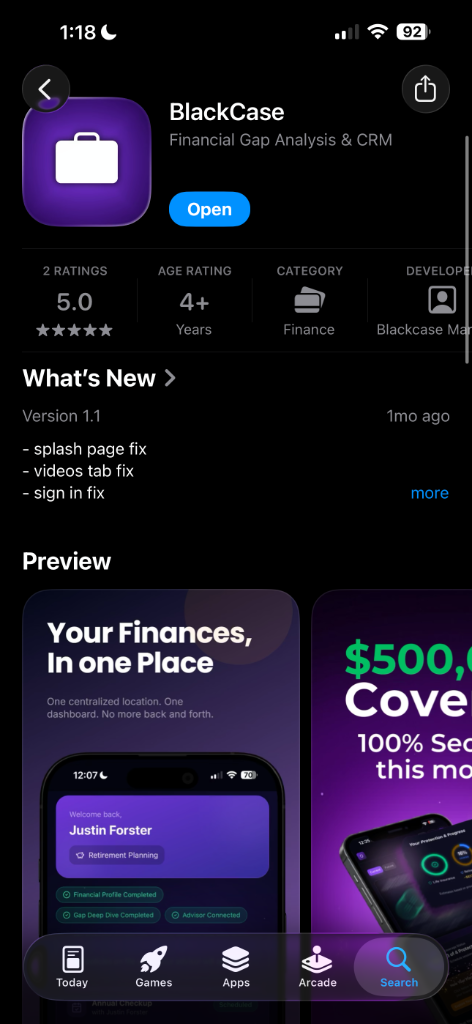
Most people find a financial advisor through a cold Google search or a random referral. They're trusting someone with their retirement, their kids' college fund, their entire financial future, and they picked them the way they'd pick a plumber. That never sat right with me.
I watched my own family struggle to find someone they actually trusted with their money. They didn't need more options, they needed a better way to meet the right person. That question, "what if finding an advisor felt like finding a date?", is what made me build BlackCase.
Instead of another directory, I built a matching experience. Real advisor profiles. Browse, text, connect. Then I built the backend CRM so advisors could actually manage those relationships, and the routing pipeline to make the whole thing move. Consumer app, advisor tools, manufacturing the physical brand, all of it, from scratch.
BlackCase Marketing LLC now spans a consumer app at blackcaseapp.com, an advisor-facing CRM, physical branded materials manufactured at scale, and a growing pipeline of users who found their advisor through a profile instead of a cold search.
He built an AI that answers his phone, and it actually works.
While most people use AI to generate poems, Forster built a multi-agent system that handles real phone calls, navigates his portfolio live, and runs 8 agents in parallel from a single dashboard.
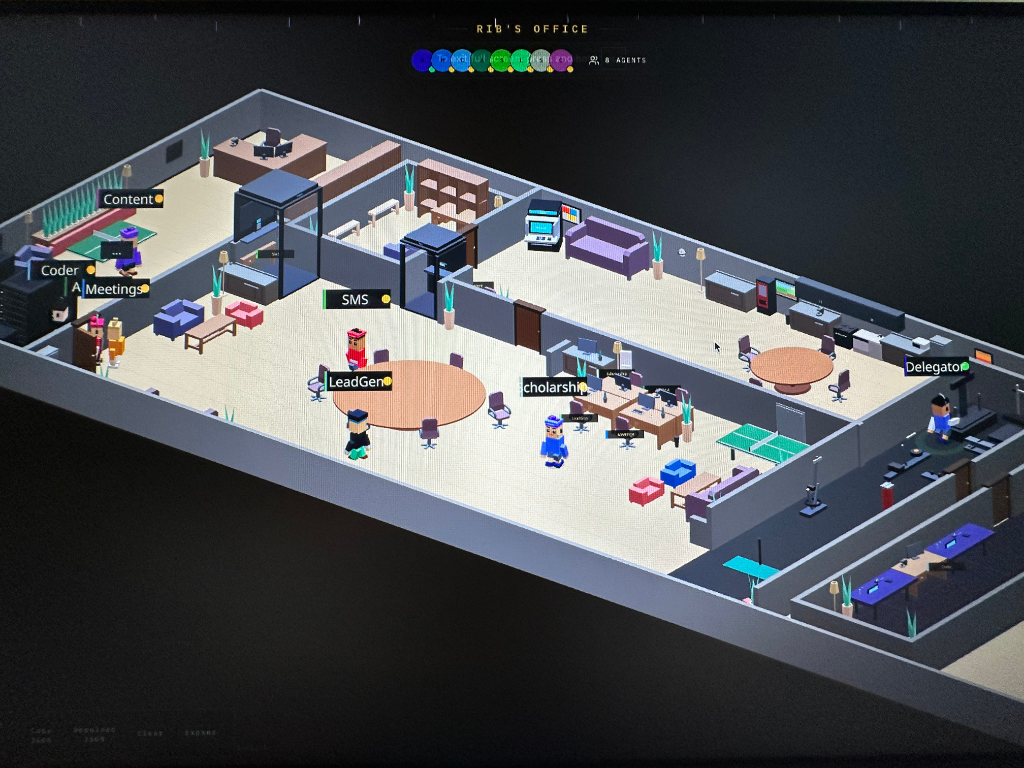
I kept hearing people use AI like a party trick. Generate a poem, summarize an email. That's fine, but I wanted to know: can you build a system that actually runs a real workflow? Something that answers a phone, navigates a portfolio, manages tasks, not a demo, but infrastructure?
So I built it. Multi-agent systems that talk to each other. One agent handles voice, another routes tasks, another manages memory. Knowledge graphs connect everything so the system doesn't forget context between calls. Eight agents running in parallel, orchestrated from a single dashboard.
I even built a physical hologram box that sits on my desk and shows me the live agent network in 3D. It's ridiculous, and it works. Today my AI handles real phone calls, it scrolls through this portfolio, answers questions about my work, and routes conversations.
It's not perfect. But it ships. Every week it gets a little sharper, a little more useful. The goal isn't to replace a human, it's to give a human leverage. One person, doing the work of ten.
From napkin sketch to someone's doorstep, the manufacturing stack most founders skip.
Forster has shipped thousands of physical units across multiple brands. He handles the full pipeline, design, sourcing, production, fulfillment, that most founders never touch.
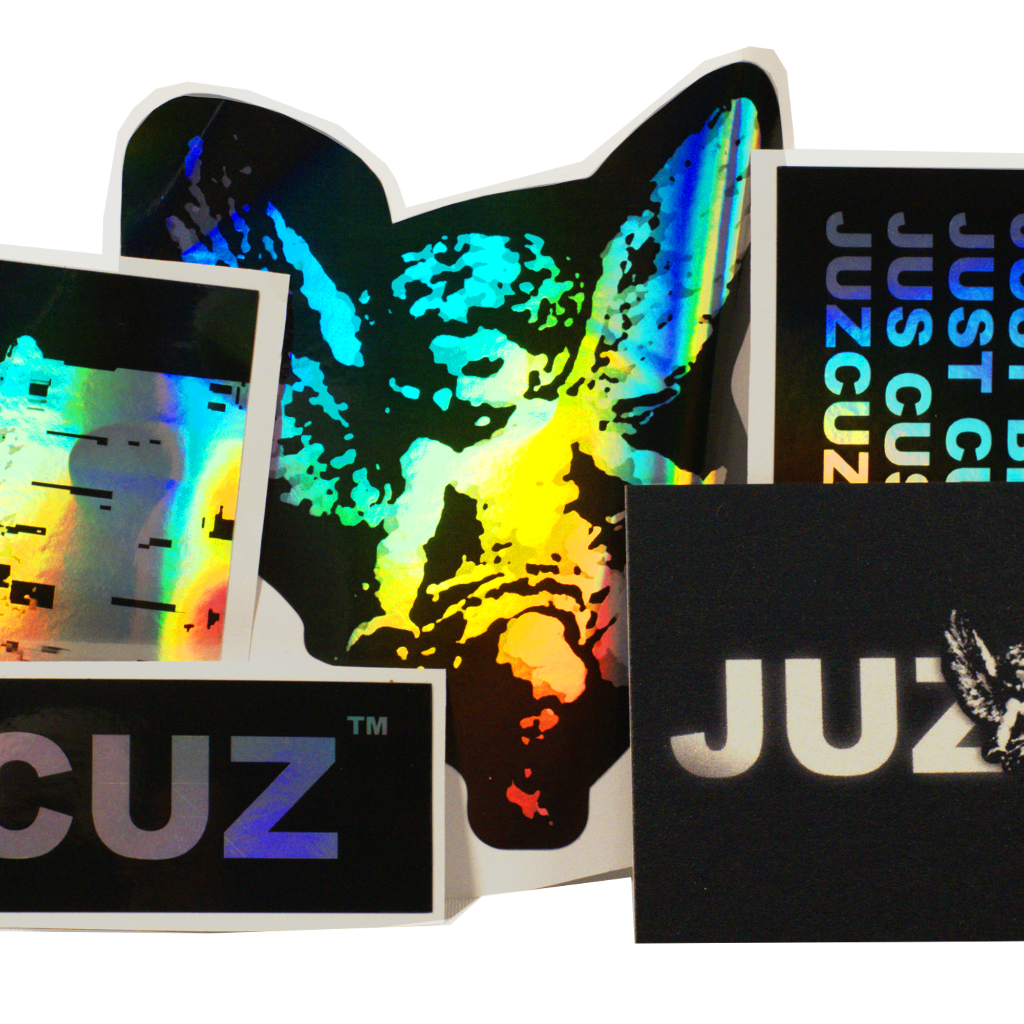
Building software is one thing. Building physical products, things people hold in their hands, wear on their backs, stick on their laptops, is a completely different game. And most people who start a brand never figure out the production side.
I wanted to understand the whole stack. Not just the idea, not just the marketing, the actual manufacturing. What does it take to go from a sketch on a napkin to a box of holographic stickers sitting on someone's desk? That question led me down a rabbit hole I still haven't climbed out of.
I sourced manufacturers, negotiated production runs, designed packaging, shot product photography, built e-commerce pipelines. Every brand I've touched, JUZCUZ streetwear, BlackCase fintech, Tiger Rock martial arts, Friends & Finances, even a mayoral campaign, I handled the full loop: design → source → produce → ship. Stickers, knitwear, leather portfolios, challenge coins, patches, uniforms.
Across multiple brands and partners, I've shipped thousands of physical units. More importantly, I now understand a supply chain end-to-end, which means when an investor or partner has a product idea, I don't just nod. I can tell them exactly how to make it real, because I've done it.